Tel :

Tel :
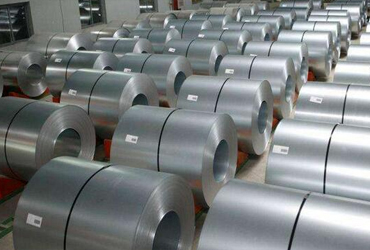
On January 17, the Italian Financial Police (Guardia di Finanza) issued a statement saying that a cargo ship carrying approximately 33,000 tons of Russian ferrous metals had been seized in the port of Brindisi in the southern Apulia region, suspected of violating current EU sanctions against Russia.
The ship, flying the flag of an island nation in Oceania, arrived in Brindisi from the Russian Black Sea and was immediately detained as a precautionary measure by Italian authorities. B35A210 Non oriented electrical steel, The enforcement action was carried out jointly by the Italian Financial Police, customs officials, and the Brindisi prosecutor's office.
An investigation revealed numerous inconsistencies, forgeries, and alterations in the ship's documents. Further investigation showed that the vessel had docked at the Russian Black Sea port of Novorossiysk between November 13th and 16th, 2025. Police indicated that the ship's AIS (Automatic Identification System) was turned off while approaching Novorossiysk, possibly in an attempt to evade geolocation tracking and regulatory scrutiny.
Currently, the cargo importer, the shipowner, and some crew members are under investigation.
Since the EU implemented its 16th round of sanctions against Russia in February 2025, the port of Novorossiysk has been fully included in the ban on trade. B35A210 Non oriented electrical steel, This round of sanctions targets seven Russian ports, including Novorossiysk, accusing them of involvement in the transport of military supplies or assisting "shadow fleets" in circumventing the price cap on Russian oil.
Under the current EU sanctions system, Russian exports of ferrous metals to the EU have been significantly restricted; currently, only slabs can enter the EU market within quotas. Since January 1, 2026, the EU has completely banned the import of Russian pig iron and direct reduced iron (including hot-pressed iron blocks, HBI), with relevant quotas expiring at the end of 2025. B35A210 Non oriented electrical steel, Billet imports have been banned since 2024, and slab quotas will be in effect until September 30, 2028.
Industry observers say this enforcement action once again demonstrates the EU's continued tightening of regulations on steel and raw material trade involving Russia, significantly increasing related trade compliance risks.