Tel :

Tel :
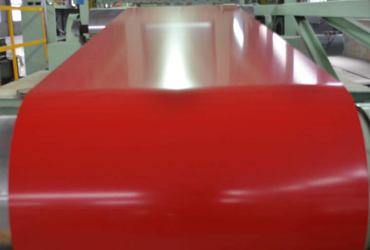
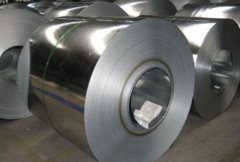
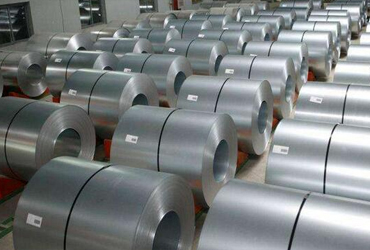
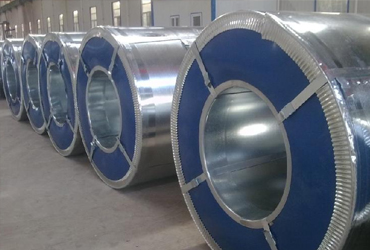
According to preliminary customs data from Cybex, India's hot-rolled coil exports in October decreased by 20.4% month-on-month to 223,000 tons, ending a period of continuous growth. Previously, exports had surged by 86% in August to 158,000 tons, followed by a further increase of 77.5% in September to 280,000 tons.
This statistical analysis covers products under customs code 7208, primarily focusing on subcategories 720837, 720838, and 720839, which include hot-rolled carbon steel coils with a thickness exceeding 10 millimeters and a width exceeding 600 millimeters (excluding stainless steel).
The export landscape in October showed significant changes: Vietnam, France, and Oman became the top three export destinations, compared to Italy, the UAE, and Vietnam in September. B30R100 oriented electrical steel, Due to uncertainties surrounding the implementation details of the EU's Carbon Border Adjustment Mechanism and the impending exhaustion of safeguard quotas, Indian hot-rolled coil exports to Europe were significantly hampered. Against this backdrop, Indian steel mills actively explored alternative markets such as Vietnam and the Middle East.
The total volume in the European market decreased sharply by 71% month-on-month to 46,000 tons, with France receiving approximately 40,000 tons, accounting for 88% of the share. B30R100 oriented electrical steel, This was mainly supplied by ArcelorMittal Nippon Steel India (approximately 33,000 tons), shipped from Goa and Mormugao ports and arriving at the Port of Dunkirk.
The total volume in the Middle East decreased by 50% month-on-month to 38,000 tons, with Oman receiving approximately 17,000 tons, all supplied by JSW Steel. Mumbai Port was the sole port of origin, with all goods arriving at Sohar Port in Oman.
Indian hot-rolled coil exports are currently undergoing a structural adjustment, with a stark contrast between the contraction of traditional European and American markets and the expansion of emerging Asian markets. B30R100 oriented electrical steel, The future trend will depend on the continued impact of the EU's carbon border adjustment mechanism on global trade flows.