Tel :

Tel :
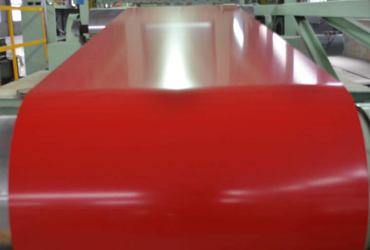
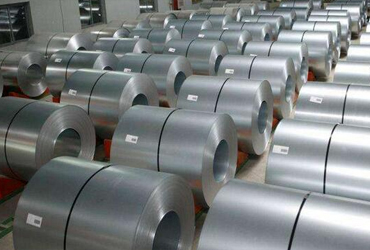
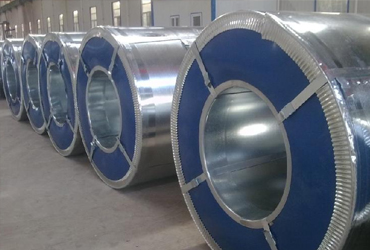
According to Mysteel, Qarmet, a comprehensive steel company in Kazakhstan, plans to build two new production lines to expand its galvanized steel and pre-painted coil capacity. 27Q120 oriented electrical steel, Upon completion, the company's annual galvanized steel capacity will increase by over 40%, and its pre-painted coil capacity will double. The project is expected to be operational in 2027.
Qarmet has launched the construction of a continuous hot-dip galvanizing line and a polymer coating complex, and has awarded the equipment supply contract to the Belgian mechanical engineering company John Cockerill. 27Q120 oriented electrical steel, The total investment in the project is approximately 84 billion tenge (approximately US$156 million), and it is a key strategic initiative for the company to expand its steel production and rolling capacity.
Currently, Qarmet operates two hot-dip galvanizing lines with a total annual capacity of approximately 592,000 tons, and one polymer coating line with an annual capacity of 115,000 tons. After the new project comes online, the company's maximum annual capacity for galvanized steel will increase to 844,000 tons, and polymer-coated products will increase to 254,000 tons, while also expanding the range of product thicknesses and widths.
This project is expected to replace imported products to some extent, thanks to its high cost efficiency, and meet the steel demand in Kazakhstan's construction, machinery manufacturing, and infrastructure sectors.
In addition, Qarmet is considering building a new continuous casting and rolling complex and plans to upgrade its hot metal desulfurization, vacuum refining, and continuous casting equipment. 27Q120 oriented electrical steel, Negotiations are currently underway with WISDRI (Wuhan Iron & Steel Design and Research Institute), a subsidiary of China Metallurgical Group Corporation.
Between August and September of this year, the company switched blast furnaces No. 2 and No. 3, as well as some heating furnaces, to natural gas fuel in order to reduce costs, decrease coke consumption, and lower carbon emissions. Natural gas has now partially replaced coke as a fuel and reducing agent source for the blast furnaces.