Tel :

Tel :
Tafadzwa Chibanguza, CEO of the Steel and Engineering Industries Federation of Southern Africa (SEIFSA), stated that recent regulatory reforms regarding Public-Private Partnerships (PPPs) have reshaped the industry's operational framework and are expected to drive increased demand for steel within the infrastructure sector.
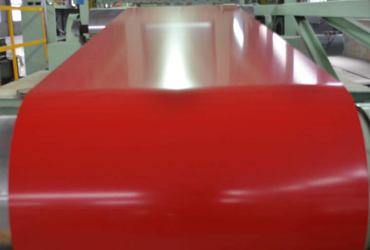
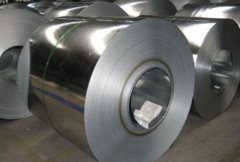
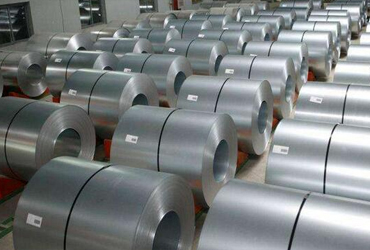
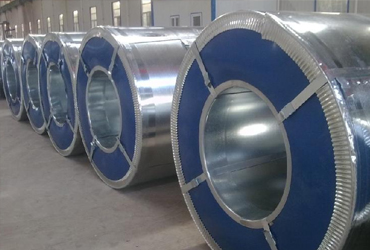
He noted that the new regulations impact project scale, pace of implementation, and risk allocation. JFS A3021 JEC270F Automotive steel strip, Specifically, they allow certain infrastructure projects to proceed via non-solicited proposals—thereby accelerating the realization of projects that were not previously prioritized—and foster the decentralized development of projects across the country. Furthermore, the regulations categorize projects into two tiers: those valued under ZAR 2 billion and those above. For smaller projects, approval and compliance requirements have been relaxed, which facilitates local governments in advancing infrastructure development initiatives, such as waterworks.
In terms of risk management, the new framework introduces credit guarantee mechanisms and regulations regarding contingent liabilities; this serves to lower project hurdle rates and enhance their appeal to private capital with lower risk appetites. JFS A3021 JEC270F Automotive steel strip, Industry experts estimate that steel consumption within the infrastructure and construction sectors accounts for approximately 35% to 40% of global steel usage; consequently, the rollout of PPP projects is expected to generate a significant boost in steel demand.
On a sector-by-sector basis, the energy, railway, and water utility sectors are projected to emerge as the primary sources of demand. Specifically, the power sector plans for the construction of approximately 14,000 kilometers of transmission lines, which will drive demand for steel-intensive components such as steel structures, cables, transformers, and substations. The railway sector encompasses track repair and expansion projects, as well as rolling stock manufacturing. Meanwhile, the water utility sector—driven by the aging of existing infrastructure—is expected to fuel increased demand for pipes and rebar.
On the supply side, current capacity utilization rates within the industry remain at a low level—approximately 43%–45% in the cable sector and slightly above 50% in the steel sector—falling well short of the optimal level of around 85%. Against this backdrop, any new demand can be met simply by increasing the utilization of existing capacity, thereby obviating the need for large-scale new investments in the short term.
However, it was noted that the primary constraints currently hindering the industry's development stem from the policy environment and project implementation mechanisms. JFS A3021 JEC270F Automotive steel strip, These issues include the tendency for projects to be tendered as comprehensive turnkey packages—making it difficult for local enterprises to undertake the entire scope of work—leading to a recommendation that projects be unbundled to better align with the structure of local production capacity. Furthermore, both the administrative approval processes and the mechanisms for project advancement require further optimization.