Tel :

Tel :
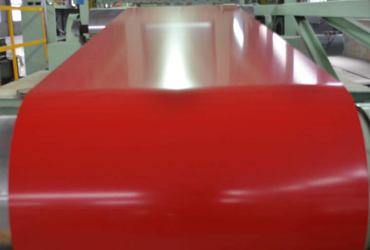
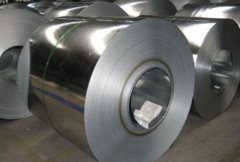
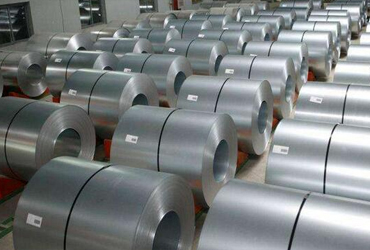
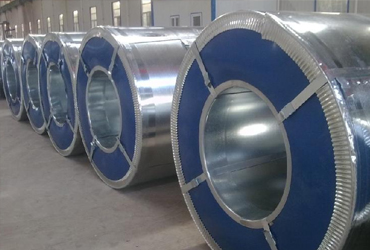
The Canadian government has announced new tariffs on a list of steel products, including a large number of U.S. goods. B23R085 oriented electrical steel, Prime Minister Mark Carney stated that the move aims to protect the domestic steel industry, which has been severely impacted by the trade war and the influx of low-priced foreign steel..
Carney announced on Wednesday a new 25% tariff on steel-derived products as part of a package of measures to support steel producers. B23R085 oriented electrical steel, The tariff, effective December 26, covers approximately C$10 billion (US$7.1 billion) worth of imports, including wind turbine towers, prefabricated buildings, fasteners, and steel wire products.
In a background briefing, Canadian government officials stated that approximately 40% of the aforementioned products are typically imported from the United States.
This marks the first time Carney has reinstated import tariffs on U.S. products since he lifted most of the retaliatory tariffs in September. Currently, Canada maintains a 25% tariff on U.S. steel and aluminum products and has refused to follow President Trump in raising tariffs on related metals to 50%.
Keanin Loomis, head of the Canadian Steel Construction Association, said the move was "an encouraging and important development," adding that "the government has been pressured by the industry for months to take similar measures, and the Prime Minister now has a significantly more mature understanding of the issue."
Carney had adopted a conciliatory approach towards Trump in recent months, hoping to reach an agreement on lowering tariffs on key U.S. industries. B23R085 oriented electrical steel, However, on October 23, Trump halted negotiations due to the Ontario government's anti-tariff advertisement, and related consultations are unlikely to resume in the short term.
Carney also announced a final extension to the deadline for companies to apply for "tariff exemptions," which apply to steel imported from the United States and used in manufacturing, food packaging, and agriculture. Starting January 31, companies will no longer be able to apply for these so-called "tariff exemptions."
At a press conference, Carney emphasized that these measures were not targeted at the United States: "This is not aimed at the United States, but a global measure aimed at creating market space for Canadian steel companies."
The Canadian government also announced that it would lower the trigger threshold for steel tariff quotas: for steel imports from countries that have not signed a free trade agreement with Canada, the tariff trigger rate will be reduced from 50% in 2024 to 20%; for countries that have signed free trade agreements (such as South Korea), the trigger rate will be reduced from 100% to 75%.
This rule does not apply to the United States and Mexico, as they are bound by the USMCA (United States-Mexico-Canada Agreement).
The government simultaneously launched industry support policies, providing an additional $500 million CAD in loans to the softwood lumber industry through the Business Development Bank of Canada (BDC), and another $500 million CAD in support through the Large Enterprises Tariff Loan Facility.