Tel :
Tel :
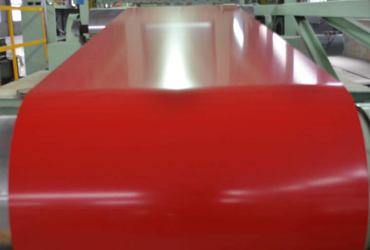
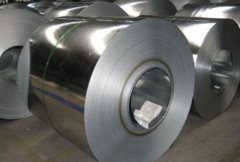
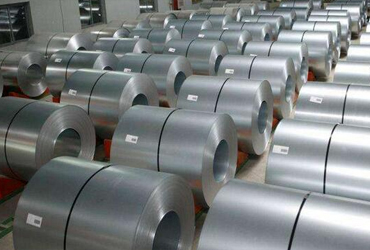
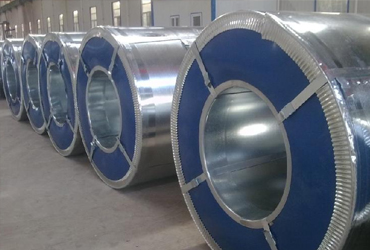
According to the *Korea JoongAng Daily*, the South Korean government is developing a comprehensive set of measures to help domestic steelmakers cope with the impact of the European Union’s tightened import restrictions. JIS G 3302 SGCD2+A steel, These measures aim to alleviate export pressure by boosting domestic steel consumption and strengthening synergy across the industrial supply chain.
Kim Jeong-gwan, South Korea’s Minister of Trade, Industry and Energy, recently chaired an emergency meeting with representatives from major domestic steel companies to discuss response strategies, focusing on how to mitigate the impact of the EU’s new trade measures on the South Korean steel industry.
Starting July 1, 2026, the EU will implement new safeguard measures for steel, reducing the annual duty-free import quota from 33.8 million tonnes to 18.35 million tonnes—a decrease of approximately 46%. JIS G 3302 SGCD2+A steel, Within this framework, South Korea has been allocated a specific duty-free quota of 2.07 million tonnes, representing a 19.7% reduction from its previous level. While this decline is smaller than the overall reduction imposed by the EU, it is still expected to exert pressure on South Korea’s steel exports.
The South Korean government anticipates that some steel products originally intended for the European market will be redirected to other overseas destinations, a shift likely to further intensify competition in the global steel market.
To mitigate the impact of new EU regulations, South Korea’s Ministry of Trade, Industry and Energy plans to roll out a series of measures aimed at stabilizing the sector. These include strengthening supply chain synergies and fostering closer collaboration between steel producers and key industries—such as shipbuilding, defense, and renewable energy—to boost domestic demand for steel. By enhancing supply chain integration and cracking down on unfair trade practices related to raw material imports, the government aims to generate over 510,000 tons of additional domestic demand for steel, helping to offset the shortfall resulting from reduced EU import quotas.
Meanwhile, the South Korean government has stated that it will continue to engage with the European Union—within the framework of the EU-South Korea Free Trade Agreement (FTA)—to hold consultations on issues such as steel trade and supply chain stability, with the aim of safeguarding industrial cooperation between the two sides.
Previously, the European Commission announced the implementation details for its steel import quotas. JIS G 3302 SGCD2+A steel, Under this arrangement, half of the 18.3-million-tonne annual import quota is reserved for trading partners that have signed a free trade agreement (FTA) with the EU, while the remaining portion is open to all trading partners, including those with an FTA.