Tel :

Tel :
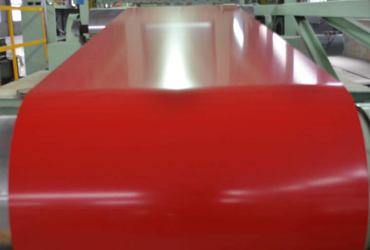
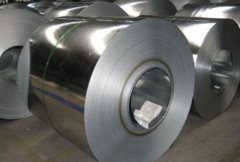
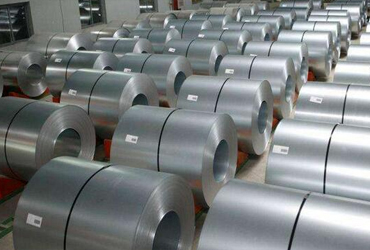
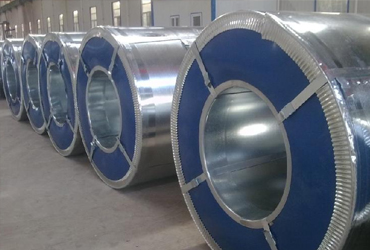
According to the Thai steel industry, manufacturers anticipate a 10% to 15% price increase across all product categories in April, driven by rising cost pressures resulting from global market volatility. JIS G 3313 SEFH490 steel strip, A second round of price hikes could follow in May if energy and logistics costs continue to climb. Manufacturers had previously attempted to absorb these rising costs internally, but the cumulative impact across the supply chain has made this approach unsustainable.
Nava Chantanasurakon, Vice Chairman of the Federation of Thai Industries, stated that this price adjustment will apply broadly to all steel products. Due to a lack of domestic iron ore resources, Thailand's steel industry remains heavily reliant on imported raw materials, particularly scrap steel. JIS G 3313 SEFH490 steel strip, This structural dependency exposes manufacturers to fluctuations in global energy prices, freight rates, and raw material costs—volatility that is rapidly reflected in domestic production costs.
According to Mysteel, steel producers are currently facing four major cost pressures: rising transportation costs driven by higher energy prices, increased fuel costs during production, higher freight rates resulting from volatility in the global shipping market, and anticipated increases in electricity prices. The cumulative effect of these factors is forcing the industry to raise prices. Producers believe that additional protective measures may be required to offset the impact of these rising costs.
It is understood that despite the challenging cost environment, there have been no announcements of layoffs, as ongoing official infrastructure projects continue to support domestic steel demand and production levels. JIS G 3313 SEFH490 steel strip, The magnitude and timing of any further price hikes in May will depend on how cost pressures evolve over the coming weeks.