Tel :

Tel :
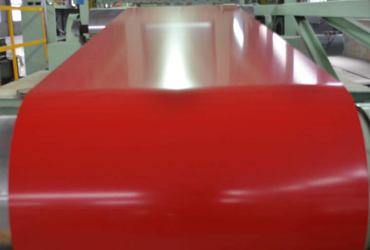
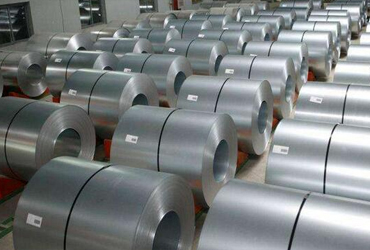
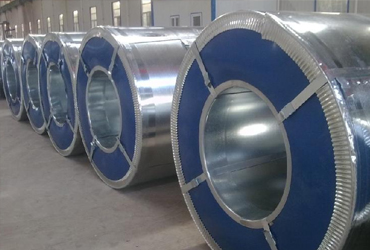
A recent report by the European Steel Association (EUROFER) indicates that the EU steel industry is facing a situation where demand recovery coexists with shrinking production. On one hand, after three consecutive years of decline, demand for steel in the EU is rebounding; apparent steel consumption is projected to rise by 4.4% year-on-year in 2025, reaching 134.4 million tonnes. HCT980C+ZM Hot dip Zinc-magnesium alloy coating (ZM) steel , On the other hand, EU steel production continues to fall; crude steel output for the year is expected to drop by 2.9% year-on-year to 125.8 million tonnes—a record low and nearly 60 million tonnes below the levels seen prior to the 2008 global financial crisis.
EUROFER notes that imports of semi-finished and finished steel products into the EU are set to increase by 14% year-on-year in 2025, pushing the share of imports in total EU steel consumption to a historic high of approximately 30%. HCT980C+ZM Hot dip Zinc-magnesium alloy coating (ZM) steel , This expanding import share is a key factor driving the EU to further strengthen trade protection measures for the steel sector.
The report indicates that the EU steel industry generates approximately €152 billion in annual value added, supplying essential materials to key sectors such as construction, automotive manufacturing, energy infrastructure, defense, and clean technology. The industry directly employs around 293,000 people and supports approximately 2.5 million related jobs across the value chain.
Axel Eggert, Director General of the European Steel Association (EUROFER), stated that while steel is indispensable to Europe's transport, construction, energy infrastructure, and defense sectors, domestic steel production faces severe challenges. Although demand is recovering, an increasing share is being met by imports. HCT980C+ZM Hot dip Zinc-magnesium alloy coating (ZM) steel , The EU must ensure that the steel required for Europe's future can be produced domestically through effective trade protection measures, competitive energy prices, and a more favorable investment environment.
He pointed out that the new round of steel trade measures scheduled for implementation by the EU on July 1 represents a crucial first step toward recovering the 34 million tonnes of steel consumption market share lost since 2018.
The report emphasizes that the EU should accelerate the implementation of the "Steel and Metals Action Plan" to safeguard European economic security, supply chain resilience, and green transition goals by enhancing industrial competitiveness, supporting the decarbonization of the steel industry, and securing strategic production capacity.
The European Parliament has previously approved new steel safeguard measures, set to take effect on July 1, 2026. Under the new regulations, the EU's duty-free import quota for steel will be reduced to 18.3 million tonnes per year—a 47% decrease from 2024 levels. Imports exceeding the quota, as well as certain steel products not covered by the quota system, will be subject to a 50% import tariff, up from the current rate of 25%.