Tel :

Tel :
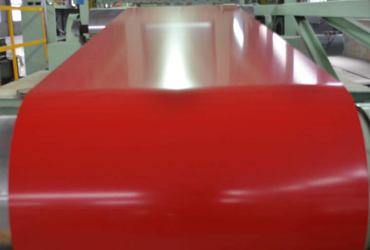
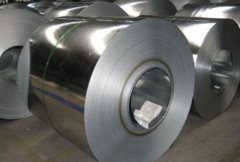
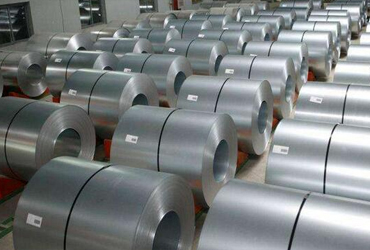
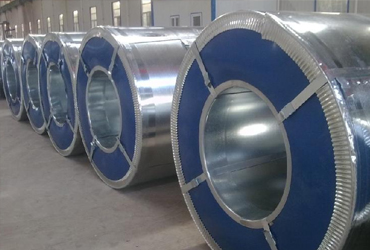
Several small steel producers in India have warned of potential production cuts due to escalating geopolitical conflicts in the Middle East. JFS A3021 JEC370W Automotive steel strip, Industry insiders say that as the world's second-largest steel producer, India is facing a double whammy of natural gas supply disruptions and rising coal costs, significantly increasing operational pressure on the industry.
Gas-based steel mills are bearing the brunt.
The head of Triveni Steel Industries in Gujarat stated that the company is currently facing a 50% production reduction pressure, and if the gas supply situation does not improve within the next week, it will have to shut down completely. JFS A3021 JEC370W Automotive steel strip, Gujarat is India's largest natural gas consumer, and many small steel mills there rely on imported liquefied natural gas (LNG) to maintain production, with the majority of these imports coming from the Middle East.
Due to supply shortages, most natural gas producers, including Gujarat Gas, declared force majeure last week, forcing them to restrict gas supplies to industrial users. A representative from Friends Steel Group admitted that already thin profit margins have been further squeezed, and the uncertain supply outlook is severely constraining their pricing decisions.
Rising Coal Costs Exacerbate Industry Dilemma
In addition to the natural gas supply crisis, steel producers across India are also facing pressure from rising coal costs driven by geopolitical tensions. JFS A3021 JEC370W Automotive steel strip, The chairman of the Sponge Iron Manufacturers Association pointed out that current geopolitical tensions have led to a 10% to 12% increase in coal and transportation costs.
According to BigMint data, affected by rising freight rates and the situation in the Middle East, the landed price of South African thermal coal at Indian ports rose by 10% to 13% last week, hitting a three-year high. Coal traders in Gujarat stated that Indian coal procurement is becoming more cautious amid high freight rates and rising global coal prices.
Structural problems in the industry are becoming increasingly apparent.
According to statistics, approximately 6% of India's steel production uses gas-based direct reduced iron (DRI) technology, while about 50% relies on coal-fired blast furnaces. The country's annual sponge iron production is approximately 50 million tons, mainly serving as raw material for secondary steel mills. The impact of this supply crisis on the downstream industrial chain is gradually becoming apparent.