Tel :

Tel :
South Korean steelmaker Hyundai Steel has announced that it has achieved mass production of low-carbon steel plates, featuring a carbon emission reduction of approximately 20% compared to existing products.
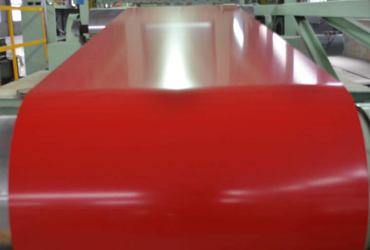
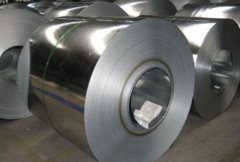
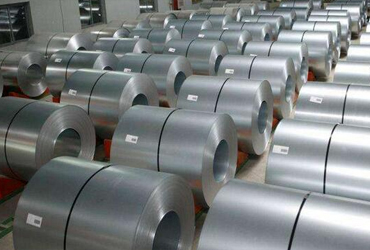
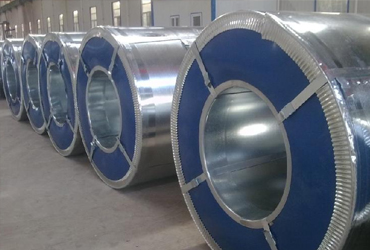
The company stated that, leveraging its operational expertise in electric arc furnaces and process technology for blast furnaces, JFS A3021 JEC270H Automotive steel strip, it has developed a hybrid process that integrates molten iron from both electric arc furnaces and blast furnaces to produce low-carbon steel plates—a process representing a global first.
Hyundai Steel has successfully validated both the production safety and product competitiveness of this initiative. JFS A3021 JEC270H Automotive steel strip, Since April 2023, the company has been conducting continuous pilot production of these low-carbon steel plates on its existing electric arc furnace lines at its Dangjin steelworks in South Chungcheong Province.
The company plans to expand its portfolio of certified steel grades to 53—adding 28 new grades to its existing 25 certified products—including two categories of low-carbon steel plates.
The mass production of this product plays a pivotal role in supporting Hyundai Motor’s carbon reduction roadmap. JFS A3021 JEC270H Automotive steel strip, Hyundai Motor and Kia intend to incorporate these low-carbon steel plates into vehicles manufactured both domestically and in Europe. Initially, Hyundai Steel will focus on supplying automotive-grade steel, with plans to gradually extend its reach into other application sectors.
Regarding downstream applications, the company is currently collaborating with global automakers and automotive component manufacturers; in the energy sector, it also plans to utilize low-carbon steel for products such as wind turbine monopiles.
The company stated that, going forward, it will further enhance the market competitiveness of its products through continuous global certification and testing, while also supporting key sectors—such as transportation and energy—in their transition toward "net-zero emissions."