Tel :

Tel :
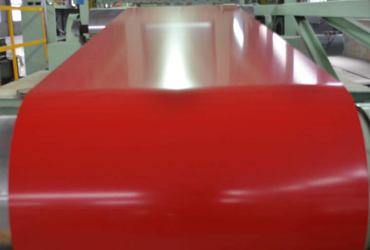
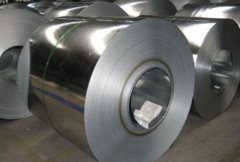
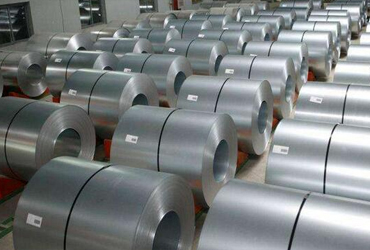
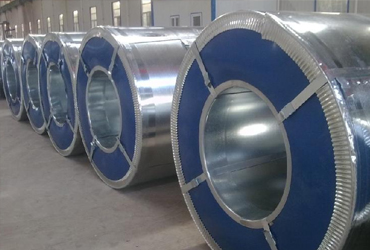
Countries worldwide are accelerating the transition toward greener, more circular economic systems, a process in which the steel industry plays a central role. S320GD+AS steel strip ,However, steel production remains one of the largest sources of industrial carbon emissions globally.
The UK's domestic steel industry has shrunk to its smallest scale since the 1930s; production fell to 4 million tonnes in 2024, and the country now relies on imports for approximately 70% of its steel. Nevertheless, the government's new steel strategy is regarded as a pivotal move for the nation's future development.
The strategy explicitly proposes a transition from blast furnaces to electric arc furnaces (EAFs) to produce "circular steel" from scrap. On the surface, this model aligns with the UK's economic, security, and "net-zero" goals. S320GD+AS steel strip ,The government plans to drive this transition through measures such as increasing domestic steel procurement, limiting import quotas, and subsidizing high electricity costs; however, a critical prerequisite is redirecting the currently large volume of exported scrap back into the domestic market to support EAF production.
Currently, the UK generates approximately 10 to 11 million tonnes of scrap annually—with about 80% destined for export, placing it first globally in per capita scrap exports—while domestic steel mills consume only around 2.6 million tonnes. The new strategy relies on significantly increasing the proportion of scrap retained domestically, a shift that would disrupt the existing business model—a sector that generates approximately £9 billion in annual value-added. Meanwhile, global demand for scrap is rising; for instance, China's expansion of scrap-based steelmaking could create an additional demand for 45 million tonnes of scrap, further driving up prices and making exports even more attractive.
Ultimately, the flow of scrap steel and the associated processing systems—encompassing storage, sorting, and processing—will determine whether this strategy achieves its economic and environmental objectives.
Meanwhile, industry reports highlight a structural issue: in the UK, exporting scrap steel and re-importing finished steel is actually more cost-effective than domestic processing. The reports recommend increased investment in scrap processing infrastructure—including advanced sorting, shredding, and impurity-removal technologies—as well as improved regulation of recycling systems.
European companies such as Voestalpine and the recycler TSR have already established a presence in this sector to meet the demand for high-quality scrap steel required by electric arc furnaces.
Although steelmaking using scrap metal generates approximately 75% less direct carbon emissions than the blast furnace route, it is heavily reliant on electricity. Industry power consumption is projected to double, yet industrial electricity prices in the UK are 27% to 38% higher than those in France and Germany. S320GD+AS steel strip ,Consequently, the environmental and economic performance of steel production depends not only on the type of furnace used but also on the quality of the entire scrap supply chain.
Furthermore, the scrap sorting process entails safety and quality risks. For instance, the presence of contaminants such as mixed-in batteries can pose safety hazards, while inadequate sorting may compromise steel quality and increase the generation of harmful slag.
Historical experience offers valuable insights. In 1972, the Sheerness steelworks in Kent, UK, became the first "mini-mill" to utilize an electric arc furnace (EAF) for processing scrap steel; at one point, its production efficiency was four times that of state-owned steel companies, and it engaged in significant export activity. However, the plant changed hands multiple times and eventually closed due to factors such as labor strikes, market liberalization, and global competition. Nevertheless, the technology itself proved viable; the true constraints on development lay in systemic factors—specifically electricity prices, scrap supply, policy frameworks, and market conditions.
Overall, the success or failure of the UK’s steel strategy hinges on the ability to bridge the "scrap gap"—a task that depends on the maturity of sorting, processing, and logistics systems. Given that global scrap prices are determined by external markets, the key lies in establishing a comprehensive supply chain rather than relying solely on technological upgrades.